
Team Hub 1
Hub 1 - Oxford/Mount Sinai/Karolinska Institute/Toronto/MD Andersson
This hub was founded in 2020 and focuses on reviewing preprints in the area of immunology and inflammation:
-
Icahn School of Medicine (Mount Sinai, NY, USA)
-
Kennedy Institute of Rheumatology and the the Viral Immunology Unit (University of Oxford, GB)
-
Center for Molecular Medicine (CIM) and Institute of Environmental Medicine (IMM) (Karolinska Institute, Sweden)
-
Department of Immunology (University of Toronto, Canada)
-
University of Texas MD Anderson Cancer Center (Houston, TX, USA)
This hub was the first to be established and which pioneered the principles of the Preprint Club. The hub engages a community of up to 50 early career researchers each Preprint Club session to discuss and review the latest preprints in their research expertises.
Coordinators

Co-founder
Nicolas Vadret
Assistant Professor of Immunology at the Mount Sinai School of Medicine.

Community Manager
Ester Gea-Mallorquí
Postdoctoral fellow in the Rowland-Jones lab at the Centre of Immuno-Oncology at the University of Oxford. She is interested in the interplay between viruses and the immune system, with a particular interest in viral immune evasion and antigen presentation.

Arthur Mortha
Assistant Professor in the Department of Immunology at the University of Toronto in Canada. His research focuses on understanding host-microbiota interactions and mucosal immune homeostasis at barrier surfaces.

Nicolas Ruffin
Associate Professor at the Department of Clinical Neuroscience, Center for Molecular Medicine at Karolinska Institutet. His research aims at exploring the mechanisms of lymphocyte activation at the root of Multiple Sclerosis.

Austeja Baleviciute
PhD student in Bertrand Joseph’s group at Karolinska Institutet. Her research focuses on the role of microglia subtypes in pediatric and adult brain tumor progression and resistance to treatment.

Aleksandra Dzhoneva
Postdoctoral fellow at the Centre of Immuno-Oncology at the University of Oxford.

Eva Hanlon
DPhil Student, Kidani Scholar at the Centre of Immuno-Oncology at the University of Oxford. Her research focuses on tumour immune microenvironment within malignant ascite and MS-based immunopeptidomics to identify tumor antigens and inform cancer vaccine design.
Reviewers
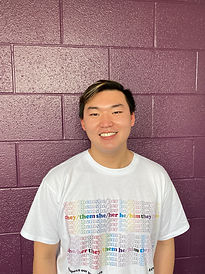
Gavin Li
PhD student in the Piehl lab at Karolinska Institutet, and a University of Toronto Applied Immunology alumni. His research focuses on understanding the role of EBV in driving multiple sclerosis (MS) and the impact of various MS treatments on this immune dysregulation.


Micon Garvilles
DPhil student in the Coles/Buckley group at the Kennedy Institute, Oxford. Her research is focused on elucidating the mechanism of CLIC5 ion transporter in immune and stromal cells in health and inflammation in the context of arthritis and inflammasome-mediated diseases.

Zhi Yi Wong
PhD student in the Coles/Buckley lab at the Kennedy Institute of Rheumatology at the University of Oxford. His research focuses on fibroblasts control the positioning and compartmentalisation of immune cells in the peripheral tissues.

Yavuz Yazicioglu
PhD student in the Clarke lab at the Kennedy Institute of Rheumatology at the University of Oxford. His research focuses on how cellular metabolism shapes immune responses in B cells.

Graham Britton
Instructor in the Faith lab at Mount Sinai. He is a mucosal immunologist and microbiome scientist with a broad interest in the role of microbiota in health and disease and the application of microbiota-targeting therapeutics.

Jaime Mateus-Tique
PhD student in the Brown Lab at Mount Sinai. His research focuses on engineering novel CAR-T for solid tumor therapy.

Quang Nguyen
DPhil student in the lab of Prof. Persephone Borrow at the Centre for Immuno-Oncology, University of Oxford. His research explores the diversity of CD8+ T cells in human secondary lymphoid tissues that modulate germinal centre responses in the development of humoral immunity.

Hanh Luong
Physician in anatomical pathology (pathologist). She obtained her PhD in 2021 and now works as a postdoc at the Center for Molecular Medicine at Karolinska Institutet. Her research focus on lymphoma and cancer-associated autoimmune diseases.

Brendan Cordeiro
Postdoctoral fellow in the Dunn lab at the University of Toronto. His work focuses on Multiple Sclerosis (MS), specifically on the interaction between obesity and sex-differences on MS pathogenesis.

Mireia Cruz De los Santos
PhD student in A. Lundqvist group, at Karolinska Institutet. Her research focuses on enhancing cytotoxic T-cell infiltration and establishing T-cell-based immunotherapies for soft and bone sarcoma.

Lucas Baldran-Groves
PhD student working in Immuno-oncology at the department of Oncology-Pathology of Karolinska Institute, with a focus on resistance mechanisms of solid tumors to T-cell based immunotherapies.

Ramojus Balevicius
Exchange student in Piehl's group at Karolinska Institutet studying B cells during multiple sclerosis, and a master student in Vita Pasukoniene's group at Vilnius University where he focuses on improving CAR-T cell production protocols.

Urszula Rykaczewska
Postdoctoral Researcher at the Department of Clinical Neuroscience, Karolinska Institute, working on deciphering molecular mechanisms underlying initiation and/or progression of multiple sclerosis with focus on the role of Epstein Barr Virus in the disease pathogenesis.

Jose Marchan
He did his master’s studies in immunology at the Venezuelan Institute for Scientific Research where he had the opportunity to work on stem cell research and, independently, explored the advantages of using immunoinformatics to design peptide vaccine models. Although, Jose is doing his PhD at Karolinska Institutet in another exciting area: extracellular vesicles and bone growth, his high motivation for immunology made him to immerse in the field again.

Dorothée Berthold
PhD student in the Udalova lab at the Kennedy Institute of Rheumatology at the University of Oxford. Her research focuses on deciphering the role of innate immune cells at the onset of colitis.

Matthew Brown
Graduate student in the Bhardwaj lab at Mount Sinai. His primary research interest is the use of precision medicine in translational research to enhance drug and vaccine development.

Rebecca Jeffery
PhD student in the Powrie lab at the Kennedy Institute of Rheumatology at the University of Oxford. Her research focuses on understanding the role of the microbiome in the development of intestinal inflammation.

Michelle Tran
MD/PhD student in the Bhardwaj lab at Mount Sinai. She is interested in uncovering biomarkers and mechanisms of resistance to bladder cancer immunotherapies.

John Hamp
Postdoctoral fellow in the Jostins lab at the Kennedy Institute of Rheumatology at the University of Oxford. His research is on both immunological and transcriptomic responses to cellular activation in T Cells focusing on chronic inflammatory diseases.

Miriam Saffern
PhD student in the Samstein lab, part of the Precision Immunology Institute at Mount Sinai. She uses both computational and experimental approaches to study cancer risk and immune surveillance.

Aljawharah Alrubayyi
PhD student in the Rowland-Jones/Peppa lab in the Viral Immunology Unit at the University of Oxford. Her research focuses on interplay between viruses and the immune system, with a particular interest in innate immune responses to chronic viral infections.

Matthew Lin
MD/PhD student in the Brody lab at Mount Sinai. He studies the function of T cell immunotherapy in clearing antigen-escape tumors and is interested in combining genomic engineering with immunotherapy.

Ghada Alsaleh
Postdoctoral fellow in the Simon lab at the Kennedy Institute of Rheumatology, Oxford. She is studying the age-related decline of autophagy in memory T and B cells to uncover novel drug targets that may increase vaccination efficiency in the ageing context.

Verena van der Heide
Postdoctoral fellow in the Homann and Kamphorst labs at Mount Sinai. Her research interests focus on the induction, regulation and modulation of CD8 T cell responses in acute/chronic viral infections and autoimmune disease

Barbora Schonfeldova
PhD student in the Udalova lab at the University of Oxford. She studies synovial macrophages in the context of inflammatory arthritis.

Natalie Vaninov
PhD student in the Samstein lab. Her work integrates both computational and experimental approaches to study the role of tumor-intrinsic differences on the myeloid compartment and how this drives response to cancer immunotherapies.

Wanlin He
PhD student in the McMichael lab in the Viral Immunology Unit, University of Oxford. Her research focuses on exploring the trafficking pathway of MHC-E and how MHC-E presents pathogen-derived peptides to CD8+ T cells.

Samarth Hegde
Postdoctoral fellow in the lab of Miriam Merad at Mount Sinai. He is interested in understanding myeloid regulation across tissue types and in response to distal tumor cues.

Lauren Chang
PhD student in the Schotsaert lab at Mount Sinai. She is interested in understanding the role of eosinophils and other granulocytes in the context of respiratory viral infections such as influenza.

Matthew Park
MD/PhD student in the Merad lab at Mount Sinai. He is involved in the profiling of the immunological changes associated with tissue-specific remodeling during physiological aging and tumorigenesis using novel fate-mapping models and high throughput sequencing.

Tim O'Donnell
Bioinformatician in the Tisch Cancer Institute at Mount Sinai. His work focuses on T cell epitope prediction for cancer vaccines.

Jenna Newman
Postdoctoral fellow in the Bhardwaj lab at Mount Sinai. Her primary field of study is neoantigen-reactive CD8+ T cells in the tumor microenvironment.

Alice Chen-Liaw
MD/PhD student in the Faith lab at Mount Sinai. She is interested in quantifying bacterial strain diversity in the human gut microbiome and investigating the colitogenicity of microbiome function over time.

Gabrille Lubitz
PhD student in the Brody Lab at Mount Sinai. Her research focuses on defining signatures of cross- and directly-primed anti-tumor CD8+ T cells.

Tamar Plitt
PhD student in the Faith lab at Mount Sinai. She uses computational and experimental approaches to identify colorectal cancer-promoting microbiotas and their mechanisms of action.

Guillaume Mestrallet
Postdoctoral fellow in the Bhardwaj lab at Mount Sinai. His primary field of study is the immune properties of microsatellite unstable cancers.

Elena Brenna
Postdoctoral fellow in the McMichael lab at the Viral Immunology Unit at the University of Oxford. Her research aims to investigate the role of different cellular components in germinal centres during immune responses.

India Brough
PhD student at the Kennedy Institute of Rheumatology at the University of Oxford. Her research focuses on understanding how intestinal microbiota can drive inflammatory arthritis.

Stephanie Longet
Postdoctoral fellow in immunology specialised in infectious diseases and vaccines at the University of Oxford. Her research is focused on antibody responses induced by Ebola virus, Lassa virus and SARS-CoV-2 infections.

Luisanna Pia
PhD student in Brian Brown's lab at Mount Sinai. She applies CRISPR genomics to understand the spatial architecture of the tumor microenvironment.

Rahul Ravindran
PhD student at the University of Oxford and training in clinical gastroenterology. His research focuses on inflammatory bowel disease and particularly how the lymphatic system may aid the resolution of intestinal inflammation.

Zerina Kurtovic
PhD student in the Svensson lab at the Center for Molecular Medicine at Karolinska Institutet. Her research focus are macrophages in the dorsal root ganglia and their importance in chronic pain conditions.

Eveline Van Gompel
PhD student in Lundberg lab at Karolinska Institutet and in the Tissue Homeostasis and Disease lab at KU Leuven. Her research focusses on the role of autoantibodies and antigen-specific B cells in idiopathic inflammatory myopathies.

Bethany Charlton
PhD student in the Rowland-Jones lab at the Centre for Immuno-Oncology at the University of Oxford. Her research focuses on the interplay between viruses and the immune system, especially regarding the antigenic processing pathway in viral infections.

Mezida Saeed
Postdoctoral fellow at the Microbiology, Tumour and Cell Biology department at Karolinska Institutet. Her research focusses on the role of the actin cytoskeleton in the regulation of immune cell functions in the context of pathophysiologies due to inborn errors in actin regulators.

Max Quastel
PhD student in the Gillespie/McMichael lab at the Centre for Immuno-Oncology at the University of Oxford. His research focuses on HLA-E peptide complexes in relation to HIV, TB, and cancer, and developing therapeutics based on this platform.

Matilde Oviedo Querejazu
Research assistant at Centre for Molecular Medicine at Karolinska Institute in Sweden. Her primary research field is both in neurobiology and immunology.

Lisha Jeena
PhD student in the Rowland-Jones lab in the Cancer Immunology Unit at the University of Oxford. Her research focuses on the effect of chronic inflammation on musculoskeletal health in adolescents with HIV compared to those without HIV.

Vivian Lau
PhD student in the Gerard lab at the Kennedy Institute of Rheumatology at the University of Oxford. Her research focuses on cytokine crosstalk between tumour cells and immune cells within the tumour microenvironment.

Abishek Vaidya
PhD student in Alice Kamphorst's lab at Mount Sinai. He studies the differentiation of PD-1+ CD8 T cells into functional effector-like cells, including the helper role of CD4 T cells in the context of cancer and chronic infections.

Joan Shang
MD/PhD student in the Faith lab at Mount Sinai. Usingcomputational and experimental techniques, she investigates themicrobiome's role in cancer and immune checkpoint blockade.

Yonina Bykov
PhD student in the Garcia-Sastre lab at Mount Sinai. She is studying a novel oncolytic virus and is interested in targeted design of oncolytic virotherapy approaches to overcome resistance

Oksana Goroshchuk
Postdoctoral fellow at the Department of Neurology at Yale University and is affiliated to the Department of Laboratory Medicine at Karolinska Institutet. Her research explores the effect of sex hormones on T lymphocytes and sex bias in multiple sclerosis.

Nima Assad
MD/PhD student in the lab of Miriam Merad at Mount Sinaideveloping transcriptomic approaches to comprehensively profilespatial niches in chronic inflammation.

Prerna Suri
PhD student in the Samstein Lab at Mount Sinai. Her research focusses on understanding the influence of DNA Damage Repair genes on the immune landscape of tumors.

Mariana Borsa
Postdoctoral fellow in the Simon Lab at the Kennedy Institute of Rheumatology, University of Oxford. Her research focuses on understanding the role of organelle segregation in T cell fate determination.

Susanne Neumann
PhD student in the Brundin lab at the Karolinska Institute. Her research focuses on deciphering the role of Hydrogen Peroxide as signaling molecule in adult neural stem cell differentiation.

Eduardo I. Cardenas
Postdoctoral fellow at the Institute of Environmental Medicine at Karolinska Institutet. His research focuses on airway host defense in the context of infections and chronic inflammatory conditions such as asthma and COPD.

Julie M. Mazet
PhD student in the Gerard Lab at the Kennedy Institute, Oxford. Her research focuses on defining the dynamic relationship between IFN-g and CD8+ T cell dysfunction in cancer.

Ashley Reid
PhD student in the Bhardwaj Lab at Mount Sinai. She studies the interaction between epigenetic therapy-induced transposable element expression and immunotherapy in cancer.

David Arcia-Anaya
Postdoctoral researcher in the Elliott lab at the Oxford Centre for Immuno-Oncology. His research focuses on the evaluation of T cells with different avidities against cancer cells, and their association with immune activation and exhaustion.

Ewoud Compeer
Postdoctoral fellow in the Dustin lab at the Kennedy Institute of Rheumatology, Oxford. He uses state-of-the-art microscopy to study immune cell remodelling supporting immune cell-cell communication, ultimately driving immunotherapy and vaccine development.

Laura Palma Medina
Postdoctoral fellow at the Center for Infectious Medicine at the Karolinska Institute. Her research focuses on understanding the host-pathogen interactions leading to the rapid development of necrotizing soft tissue infections.

Isabela Pedroza-Pacheco
Postdoctoral fellow in the Borrow/McMichael lab in the Viral Immunology Unit at the University of Oxford. Her research focuses on cellular and molecular mechanisms underpinning the immune-regulatory environment that modulates germinal centre responses.
Partners
Our mission would not not be achievable without reliable partners that support the initiative and are crucial to the success of the cross-institutional immunology preprint journal club.

The Precision Immunology Institute at the Icahn School of Medicine at Mount Sinai (PrIISM) is an entity that encompasses and integrates immunological research programs and technology centers. PrIISM is working to better understand the fundamental mechanisms used by immune cells to promote disease progression and response to treatment, developing and implementing novel technologies to better diagnose and guide treatment of disease, and generating new therapies to modulate the immune system in a broad spectrum of diseases, including cancer, inflammatory, cardiovascular, and neurological diseases.

University of Toronto
The Department of Immunology at the University of Toronto hosts >65 investigators across 7 Toronto-wide locations. Research teams within the department cover a very broad spectrum of immunology, reaching from basic adaptive and innate immune mechanisms, tissue immunity, chronic and acute inflammatory conditions, cancer immunity, microbiome studies, neuroinflammation and immune cell engineering. Together we strive to advance biomedical discoveries in Immunology, increase our understanding of fundamental Immunological principles and develop new applications for immune-based therapies.

University of Oxford
Kennedy Institute of Rheumatology & Centre for Immuno-oncology The Kennedy Institute of Rheumatology (KIR) at the University of Oxford has more than 25 research groups working in the areas of immunity and microbiome, inflammation biology and tissue remodelling and regeneration. Our studies provide insight into the biological processes that cause pathways to malfunction in disease, and our research teams have joined coordinated efforts to understand the host response to COVID-19. The Centre for Immuno-oncology (CIO) at the University of Oxford focuses on specific immune responses to tumours and chronic infections. By investigating the evolution of immune responses during disease progression we hope to discover better correlates of protection and better antigens to target for therapy and interception. The CIO belongs to a large and dispersed community of immunologists working in the cancer field and in cancer-relevant areas - called the Oxford Cancer Immuno-Oncology Network or OCION.

University of Texas
At MD Anderson, some of the best minds in the world work in partnership with our patients to enable groundbreaking research to better treat and prevent cancer. Here, researchers have the freedom and support to follow a hypothesis and test new theories that can yield breakthroughs that transform the field and the lives of patients. Embedded in the fourth-largest U.S. city — and the most ethnically diverse — our teams work with our neighbors in the Texas Medical Center, the world’s largest medical center, and around the globe to advance our science and to serve our patients. From the first spark of an idea to its translation in our world-leading clinics, we remain invested and determined in our collective focus to end cancer.

The Karolinska Institute is a research-lead medical university located in Stockholm, Sweden. Currently, the researchers engaged in the preprint journal club belong to several departments at KI but most work at the Center for Molecular Medicine (CMM) and the Institute for Environemental Medicine (IMM). Our research focuses on advancing our understanding of immune responses in health and diseases, performing experimental and clinical research for the benefit of the patients.
Communication Partner
Nature Reviews Immunology is a monthly review journal, staffed by a team of full-time professional editors, that provides in-depth coverage of all areas of immunology, from fundamental mechanisms to applied aspects. In addition to our review articles, we highlight recent developments and exciting new primary papers in the field, as well as reflecting on the people, papers and events that have influenced the development of immunology. We publish regular ‘Preprint Watch’ Journal Club pieces in collaboration with the Preprint Club to provide our readers with a short summary of early data of potential interest.
